Navigating the complexities of corporate growth and expansion requires a strategic approach that blends ambition with pragmatism. From meticulously planned organic growth to the bold leap of inorganic expansion through mergers and acquisitions, the journey demands careful consideration of market dynamics, financial resources, operational efficiency, and human capital. This exploration delves into the multifaceted aspects of scaling a business, examining the critical decisions and strategies that underpin successful expansion.
This guide provides a comprehensive framework, covering strategic planning, financial modeling, operational scalability, human resource management, risk mitigation, and the crucial role of employee training in fostering a thriving corporate environment during periods of significant growth. Real-world examples and case studies illustrate the challenges and rewards inherent in pursuing ambitious expansion goals.
Defining Corporate Growth and Expansion
Corporate growth and expansion represent a company’s strategic efforts to increase its size, market share, and overall profitability. This involves a multifaceted approach encompassing various strategies and considerations, ultimately aiming to enhance the long-term sustainability and competitiveness of the business. Understanding the different phases and approaches is crucial for effective planning and execution.
Phases of Corporate Growth
Companies typically progress through several distinct phases of growth. The initial phase often focuses on establishing a strong foundation, developing core products or services, and securing a niche market. Subsequent phases involve scaling operations, expanding into new markets, and potentially diversifying into related or unrelated industries. The rate and nature of growth can vary significantly depending on factors such as industry dynamics, competitive landscape, and managerial capabilities.
Later stages may involve maturity, stabilization, or even decline, necessitating adaptive strategies to maintain competitiveness.
Organic versus Inorganic Growth Strategies
Organic growth, also known as internal growth, relies on the company’s internal resources and capabilities to expand. This might involve increasing production capacity, launching new products, entering new markets through organic means, or improving operational efficiency. In contrast, inorganic growth involves external acquisitions, mergers, or strategic alliances to achieve rapid expansion. This approach can provide quicker access to new markets, technologies, or talent but often requires significant capital investment and carries higher risks.
Examples of Successful Corporate Expansion Strategies
Successful corporate expansion often involves a blend of organic and inorganic strategies. For instance, Apple’s growth involved both internal innovation (developing new products like the iPhone and iPad) and strategic acquisitions (like Beats Electronics). Similarly, Amazon’s expansion included organic growth through its e-commerce platform and inorganic growth through acquisitions of companies like Whole Foods Market and IMDb, expanding into new sectors and enhancing its existing services.
In the pharmaceutical industry, companies often utilize a combination of internal research and development (organic) and licensing or acquiring other companies’ drug pipelines (inorganic) to broaden their product portfolio and market reach.
Comparison of Mergers and Acquisitions versus Internal Expansion
| Feature | Mergers & Acquisitions | Internal Expansion |
|---|---|---|
| Speed of Growth | Rapid | Gradual |
| Capital Investment | High | Lower (initially) |
| Risk | High (integration challenges, cultural clashes) | Lower (but slower growth) |
| Control | May be diluted depending on the deal structure | Complete control retained |
Strategic Planning for Growth
Strategic planning is the cornerstone of successful corporate growth and expansion. It provides a roadmap, guiding decisions and resource allocation to achieve ambitious objectives. A well-defined strategy minimizes risks, maximizes opportunities, and ensures sustainable, profitable growth. This involves a thorough understanding of the market, a robust business plan, and consistent monitoring of key performance indicators.Market research forms the bedrock of any effective expansion plan.
Understanding your target market, its needs, and competitive dynamics is crucial for informed decision-making.
The Importance of Market Research in Expansion Planning
Market research provides invaluable insights into customer preferences, purchasing behaviors, and competitive landscapes. This information allows businesses to identify underserved markets, tailor products or services to specific needs, and develop effective marketing strategies. For instance, a company considering expanding into a new geographic region should conduct thorough research to understand local demographics, consumer habits, and regulatory requirements. Failure to do so could lead to significant financial losses and missed opportunities.
Data analysis techniques, including surveys, focus groups, and competitive analysis, are crucial for gathering comprehensive and reliable data. This data informs decisions regarding product development, pricing strategies, and marketing campaigns, ultimately increasing the likelihood of a successful expansion.
Developing a Comprehensive Business Plan for Corporate Growth
A comprehensive business plan serves as a blueprint for achieving growth objectives. It Artikels the company’s goals, strategies, and financial projections. A well-structured plan includes an executive summary, market analysis, competitive analysis, marketing strategy, operations plan, management team description, and financial projections. This document should be regularly reviewed and updated to reflect changes in the market and company performance.
For example, a technology startup aiming for rapid expansion might include projections for user acquisition, revenue generation, and funding rounds within their business plan. This allows investors and stakeholders to assess the company’s potential for growth and profitability.
Key Performance Indicators (KPIs) for Tracking Progress and Measuring Success
Tracking key performance indicators (KPIs) is essential for monitoring progress and measuring the success of growth initiatives. KPIs provide quantifiable metrics to assess performance against targets and identify areas needing improvement. Relevant KPIs for corporate growth might include revenue growth, market share, customer acquisition cost, customer lifetime value, and employee satisfaction. Regularly reviewing these metrics allows businesses to make data-driven decisions, adjust strategies as needed, and ensure that growth initiatives are aligned with overall business objectives.
For example, a retail company expanding online might track website traffic, conversion rates, and average order value to assess the effectiveness of its e-commerce strategy.
Assessing Market Opportunities and Potential Risks: A Step-by-Step Guide
Assessing market opportunities and potential risks is a critical step in strategic planning. A systematic approach involves several key steps.
- Identify Potential Markets: Begin by identifying potential markets based on factors such as market size, growth potential, and customer demographics.
- Conduct Market Research: Thoroughly research each potential market to understand its characteristics, competitive landscape, and regulatory environment.
- Analyze Market Opportunities: Evaluate the potential opportunities within each market, considering factors such as market demand, pricing strategies, and distribution channels.
- Assess Potential Risks: Identify potential risks associated with entering each market, including economic risks, competitive risks, and regulatory risks.
- Develop Mitigation Strategies: Develop strategies to mitigate identified risks, including contingency plans and risk management procedures.
- Prioritize Markets: Prioritize markets based on their potential return on investment and the feasibility of mitigating identified risks.
Financial Strategies for Expansion
Securing adequate funding and making sound investment decisions are crucial for successful corporate expansion. A well-defined financial strategy ensures the project’s viability and maximizes return on investment. This section will explore various funding options, capital budgeting techniques, and financial forecasting methods essential for navigating the financial aspects of growth.
Funding Options for Corporate Expansion
Companies have several avenues to finance expansion, broadly categorized as debt financing and equity financing. The optimal choice depends on factors like the company’s financial health, risk tolerance, and the nature of the expansion project.
- Debt Financing: This involves borrowing money, typically through loans from banks or issuing bonds. Debt financing offers tax advantages as interest payments are usually deductible, but it also increases the company’s financial leverage and risk of default. Examples include term loans, lines of credit, and corporate bonds.
- Equity Financing: This involves raising capital by selling ownership stakes in the company. This can be achieved through issuing new shares to existing or new investors, or through private equity investments. While it doesn’t increase debt, it dilutes existing shareholders’ ownership and control.
Capital Budgeting Techniques
Effective capital budgeting is critical for evaluating the financial viability of expansion projects. Several techniques help companies assess potential investments and select the most promising ones.
- Net Present Value (NPV): NPV calculates the difference between the present value of cash inflows and the present value of cash outflows over a project’s lifespan. A positive NPV suggests the project is profitable. The formula is:
NPV = Σ (Ct / (1 + r)t)
-C0where Ct represents the net cash inflow during period t, r is the discount rate, and C0 is the initial investment.
- Internal Rate of Return (IRR): IRR is the discount rate that makes the NPV of a project equal to zero. Projects with an IRR higher than the company’s cost of capital are generally considered acceptable.
- Payback Period: This method determines the time it takes for a project to recoup its initial investment. While simple to calculate, it ignores the time value of money and cash flows beyond the payback period.
Developing a Realistic Financial Forecast
Accurate financial forecasting is vital for securing funding and managing expansion effectively. A comprehensive forecast should include detailed projections of revenue, expenses, and cash flow for the project’s duration. This involves analyzing market demand, pricing strategies, operating costs, and potential risks. Sensitivity analysis, which examines how changes in key variables affect the project’s financial performance, is crucial for assessing risk and building contingency plans.
For example, a forecast might project increased sales based on market research and projected market share gains, and then model different scenarios reflecting possible variations in sales growth.
Case Study: Successful Corporate Expansion
Imagine a mid-sized software company, “InnovateTech,” deciding to expand into a new market segment by developing a specialized software application. They secured funding through a combination of a bank loan (debt financing) and investment from a venture capital firm (equity financing). Using NPV analysis, they determined the project was financially viable, with a positive NPV of $2 million based on projected sales growth and cost estimates.
Their financial forecast, incorporating conservative sales projections and detailed expense budgets, demonstrated consistent profitability over the next five years, thus reassuring both lenders and investors. The successful launch and market adoption of the new software application generated substantial revenue exceeding their initial projections, resulting in a significant return on investment for both InnovateTech and its investors. This demonstrates the importance of careful planning and analysis in financial strategies for expansion.
Operational Strategies for Growth
Successful corporate expansion hinges not only on robust financial planning and strategic market positioning but also on the efficient execution of operational strategies. A well-defined operational plan ensures that the company can effectively manage its resources, maintain quality, and adapt to the challenges inherent in rapid growth. This involves a multifaceted approach encompassing supply chain management, operational scaling, quality control, and effective change management.
Efficient Supply Chain Management in Supporting Expansion
A streamlined and adaptable supply chain is critical for supporting expansion. As a company grows, so does its demand for raw materials, components, and finished goods. Inefficient supply chain management can lead to delays, increased costs, and ultimately, a negative impact on customer satisfaction. Effective strategies include diversifying sourcing to mitigate risk, implementing robust inventory management systems to optimize stock levels, and leveraging technology such as advanced analytics and automation to improve forecasting accuracy and streamline logistics.
For example, a company expanding into new geographic markets might establish regional distribution centers to reduce shipping times and costs, improving responsiveness to customer demand. A strong relationship with reliable suppliers is also key, ensuring consistent quality and timely delivery even during periods of high demand.
Strategies for Scaling Operations and Maintaining Quality Control During Rapid Growth
Scaling operations while maintaining quality requires careful planning and execution. This often involves investing in new technologies, expanding facilities, and hiring additional personnel. To ensure consistent quality across all operations, standardized processes and procedures must be implemented and rigorously enforced. Regular quality audits and feedback mechanisms are essential to identify and address potential issues proactively. For instance, a manufacturing company experiencing rapid growth might implement a lean manufacturing approach to optimize production processes and reduce waste.
This could involve investing in automation technologies, such as robotic arms, to improve efficiency and consistency. Furthermore, rigorous employee training programs are essential to ensure all staff understand and adhere to quality standards.
Effective Change Management Strategies During Periods of Expansion
Expansion inevitably brings change, and effective change management is crucial for minimizing disruption and maximizing employee buy-in. This involves clearly communicating the rationale for expansion, outlining the changes that will occur, and providing employees with the training and support they need to adapt. Open communication channels and regular feedback sessions are essential to address concerns and foster a sense of collaboration.
For example, a company undergoing a significant restructuring might implement a phased approach to change, allowing employees time to adjust to each new process or system. Providing employees with opportunities for professional development and career advancement can also help to maintain morale and engagement during periods of significant change.
Integrating New Acquisitions into Existing Operations Seamlessly
The successful integration of acquisitions requires a well-defined plan that addresses all aspects of the business, from operations and technology to culture and personnel. This involves conducting thorough due diligence prior to acquisition to identify potential challenges and opportunities. A clear integration roadmap should be developed, outlining specific timelines and responsibilities. This roadmap should address issues such as system consolidation, process harmonization, and cultural integration.
For example, a company acquiring a smaller competitor might gradually integrate the acquired company’s operations into its existing systems, rather than implementing a complete overhaul. A phased approach allows for a smoother transition and minimizes disruption to both businesses. Open communication and collaboration between the teams from both companies are crucial to ensuring a successful integration.
Human Resources and Corporate Growth

Human resources are the lifeblood of any expanding company. A well-managed HR strategy is crucial not only for navigating the challenges of growth but also for leveraging it to achieve sustained competitive advantage. Successfully scaling a business requires a proactive and strategic approach to managing talent, fostering a positive work environment, and ensuring that the workforce possesses the skills and capabilities needed to support the company’s ambitions.Effective HR practices are paramount during periods of corporate expansion.
Failure to adequately address the human capital needs of a growing organization can lead to significant bottlenecks, decreased productivity, and ultimately, hinder the company’s ability to reach its full potential. Conversely, a well-executed HR strategy can significantly contribute to a company’s success by ensuring a motivated, skilled, and engaged workforce.
Talent Acquisition and Retention Strategies During Expansion
Rapid growth necessitates a robust and efficient talent acquisition process. This involves streamlining recruitment procedures, leveraging diverse sourcing channels (including online job boards, professional networking platforms, and employee referrals), and implementing effective screening and selection methods to identify and attract top talent. Simultaneously, retention strategies, such as competitive compensation and benefits packages, opportunities for professional development, and a positive work environment, become critical to retaining existing employees who are essential to the company’s continued success.
For example, companies like Google are known for their competitive compensation and benefits, fostering employee loyalty even during periods of high demand for talent.
The Role of Training and Development in Supporting a Growing Workforce
Training and development programs are essential for upskilling and reskilling employees to meet the evolving demands of a growing organization. These programs should focus on both technical skills (relevant to specific job roles) and soft skills (such as communication, teamwork, and problem-solving), ensuring that employees possess the competencies required for their current roles and future opportunities. Investing in training and development not only enhances employee performance but also demonstrates the company’s commitment to its workforce, boosting morale and retention rates.
A successful example is Amazon’s extensive training programs that equip employees with the skills needed to thrive in their roles, regardless of their background.
Building a Strong Company Culture that Supports Expansion
A strong company culture acts as a unifying force during expansion, fostering a sense of belonging and shared purpose among employees. This involves clearly defining and communicating the company’s values, mission, and vision, and creating a work environment that promotes collaboration, innovation, and open communication. Regular employee feedback mechanisms, social events, and recognition programs are all effective strategies for cultivating a positive and supportive work environment.
Companies like Zappos, known for their exceptional customer service culture, demonstrate how a strong culture can drive success and employee retention, even amidst rapid growth.
Onboarding New Employees During Periods of Rapid Growth
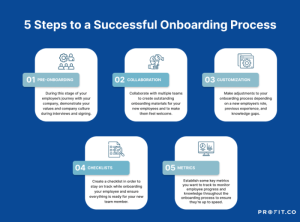
A well-structured onboarding process is crucial for integrating new hires quickly and effectively, particularly during periods of rapid expansion. This involves a comprehensive program that includes pre-boarding communication, orientation sessions, introductions to team members, and clear expectations regarding roles and responsibilities. Mentorship programs and buddy systems can also assist new employees in navigating their new roles and integrating into the company culture.
A structured approach ensures that new employees are productive quickly, reducing the time it takes for them to become valuable contributors to the organization. Companies with strong onboarding programs, like Salesforce, report higher employee retention and faster time-to-productivity for new hires.
Corporate Growth and Corporate Training
Rapid corporate growth necessitates a parallel expansion of employee capabilities. As companies scale, the demand for specialized skills increases, requiring a robust and adaptable training program to ensure continued success. Ignoring this crucial link between growth and training can lead to inefficiencies, decreased productivity, and ultimately, hinder the overall expansion strategy.The relationship between corporate growth and enhanced employee training programs is symbiotic.
Growth creates new challenges and opportunities that require employees to adapt and acquire new skills. Conversely, a well-designed training program empowers employees to meet these challenges effectively, driving further growth and contributing to the company’s overall success. Without adequate training, expanded operations risk being hampered by a workforce lacking the necessary knowledge and expertise.
Tailored Training Programs and Improved Employee Performance
Tailored training programs directly impact employee performance and contribute significantly to overall company success during expansion. By focusing on specific skill gaps and addressing the unique needs of different roles within the expanding organization, these programs enhance productivity, improve quality of work, and foster a more engaged and competent workforce. This, in turn, translates into higher efficiency, reduced errors, and increased profitability.
For example, a company expanding into a new market might implement specialized training on cross-cultural communication and local regulations to ensure its sales team can effectively operate in that environment. Similarly, a company implementing new software might offer comprehensive training to ensure all employees can efficiently use the system.
Examples of Training Programs Supporting Corporate Growth
Several types of training programs can effectively support various aspects of corporate growth.Sales Training: This focuses on improving sales techniques, product knowledge, and customer relationship management (CRM) skills. A rapidly expanding company might invest in role-playing exercises, product demonstrations, and advanced sales strategies training to equip its sales team to handle increased customer volume and complexity.Leadership Development: As a company grows, the need for strong leadership increases.
Leadership development programs can equip managers with the skills to effectively manage larger teams, delegate responsibilities, and foster a positive and productive work environment. These programs might include workshops on strategic thinking, communication, conflict resolution, and mentoring.Technical Skills Training: Expansion often involves implementing new technologies or processes. Technical skills training ensures employees can efficiently use these new tools and technologies.
This could include software training, equipment operation, or specialized technical skills development relevant to the company’s industry.
Measuring the Return on Investment (ROI) of Corporate Training
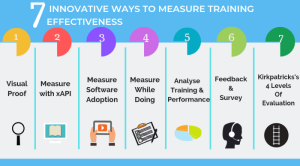
Measuring the ROI of corporate training programs is crucial for justifying the investment and demonstrating its impact on the bottom line. Several methods can be used to quantify this return.Pre- and Post-Training Assessments: Measuring employee performance before and after training provides a quantifiable measure of improvement. This could involve testing product knowledge, assessing sales skills, or evaluating technical proficiency.Increased Productivity and Efficiency: Tracking improvements in productivity, such as increased sales figures, faster task completion, or reduced error rates, directly demonstrates the positive impact of training.Reduced Turnover and Improved Employee Retention: Well-trained employees are more likely to be satisfied and engaged, leading to reduced turnover and lower recruitment costs.
This can be measured by tracking employee retention rates and comparing them to industry benchmarks.Improved Customer Satisfaction: Training programs focused on customer service can lead to improved customer satisfaction, resulting in increased customer loyalty and repeat business. This can be measured through customer satisfaction surveys and feedback.
ROI can be calculated using a simple formula: (Return – Investment) / Investment. For example, if a training program costs $10,000 and results in an additional $20,000 in revenue, the ROI is 100%. However, it’s important to consider both tangible and intangible benefits when assessing the overall ROI.
Risk Management and Mitigation
Corporate growth and expansion, while promising significant rewards, inevitably introduce a range of potential risks. Proactive risk management is crucial for navigating these challenges and ensuring the long-term success of the enterprise. A robust risk management framework allows companies to anticipate potential problems, develop mitigation strategies, and ultimately, increase the probability of a successful expansion.Successful expansion hinges on a thorough understanding and effective management of potential risks.
Failing to adequately address these risks can lead to significant financial losses, reputational damage, and even business failure. This section will Artikel common risks associated with growth, strategies for mitigation, and examples of effective risk management in action.
Potential Risks Associated with Corporate Growth and Expansion
Several key risk categories consistently emerge during periods of corporate growth and expansion. These include financial risks, operational risks, market risks, and human resource risks. Financial risks encompass issues like securing sufficient funding, managing debt, and maintaining profitability during the expansion phase. Operational risks involve challenges in scaling operations, managing supply chains, and ensuring consistent quality of products or services.
Market risks relate to competition, changes in consumer demand, and economic downturns. Finally, human resource risks include difficulties in recruiting and retaining talent, managing a growing workforce, and maintaining a positive company culture.
Strategies for Mitigating Risks
Effective risk mitigation involves a multi-pronged approach. This includes comprehensive risk assessment, the development of contingency plans, and the implementation of robust monitoring and control mechanisms. Diversification of funding sources can reduce reliance on a single lender or investor, minimizing financial risk. Investing in advanced technology and streamlined processes can improve operational efficiency and scalability. Market research and competitive analysis can help companies anticipate market shifts and adjust their strategies accordingly.
Investing in employee training and development programs can improve retention and boost morale, mitigating human resource risks. Regular performance reviews and key performance indicator (KPI) tracking are vital for early identification of potential problems.
Examples of Successful Risk Management Plans
Consider a company expanding internationally. A successful risk management plan might involve conducting thorough due diligence on the target market, including regulatory compliance, cultural considerations, and potential political instability. This due diligence might include engaging local consultants to navigate the complexities of the new market. Another example is a company launching a new product line. Their risk management plan might include a phased rollout, allowing for early identification and correction of any issues before a full-scale launch.
This approach allows for adjustments based on customer feedback and market response, reducing the risk of a complete product failure. A third example could be a company undergoing a significant merger or acquisition. A robust risk management plan would incorporate detailed due diligence on the target company’s financials, operations, and legal standing. Furthermore, it would also include a clear integration plan to minimize disruption and ensure a smooth transition.
Checklist for Assessing and Managing Potential Risks
Prior to implementing any expansion strategy, a comprehensive risk assessment is paramount. The following checklist can aid in identifying and managing potential risks:
| Risk Category | Potential Risks | Mitigation Strategies | Monitoring Indicators |
|---|---|---|---|
| Financial | Insufficient funding, debt burden, profitability decline | Diversify funding sources, secure lines of credit, cost control measures | Cash flow, debt-to-equity ratio, profit margins |
| Operational | Supply chain disruptions, scaling challenges, quality control issues | Invest in technology, optimize processes, establish robust quality control systems | Production efficiency, inventory levels, customer satisfaction scores |
| Market | Increased competition, changing consumer preferences, economic downturns | Market research, competitive analysis, flexible pricing strategies | Market share, sales growth, customer acquisition costs |
| Human Resources | Talent acquisition challenges, employee retention issues, skills gaps | Invest in employee training, competitive compensation and benefits, develop strong company culture | Employee turnover rate, employee satisfaction scores, skills assessments |
Ultimately, successful corporate growth and expansion hinges on a well-defined strategy, meticulous execution, and a commitment to adapting to evolving market conditions. By understanding the interplay between financial planning, operational efficiency, human resources, and risk management, businesses can navigate the complexities of scaling their operations and achieve sustainable, long-term success. The journey, while demanding, offers the potential for substantial rewards, transforming a company’s reach, influence, and market standing.
Quick FAQs
What are some common pitfalls to avoid during corporate expansion?
Common pitfalls include underestimating market research, inadequate financial planning, neglecting operational scalability, failing to integrate acquisitions smoothly, and insufficient employee training and retention.
How can I determine the optimal growth strategy for my company?
The optimal strategy depends on various factors, including your company’s resources, market position, competitive landscape, and long-term goals. A thorough SWOT analysis and careful market research are crucial in making this determination.
What is the importance of a strong company culture during expansion?
A strong company culture ensures consistency and unity across expanding operations, aiding in talent retention, improving employee morale, and facilitating the integration of new acquisitions or teams.
How can I measure the success of my corporate expansion efforts?
Key Performance Indicators (KPIs) such as revenue growth, market share, profitability, customer acquisition cost, and employee satisfaction can be used to measure the success of expansion efforts.